Ephesus Guide
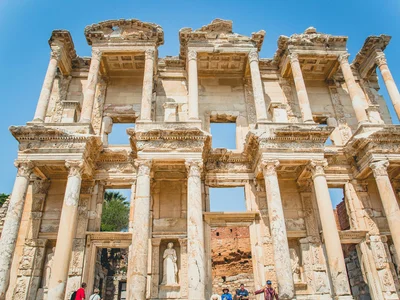
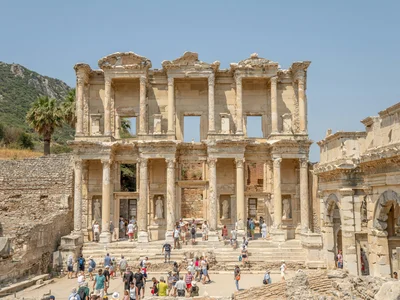
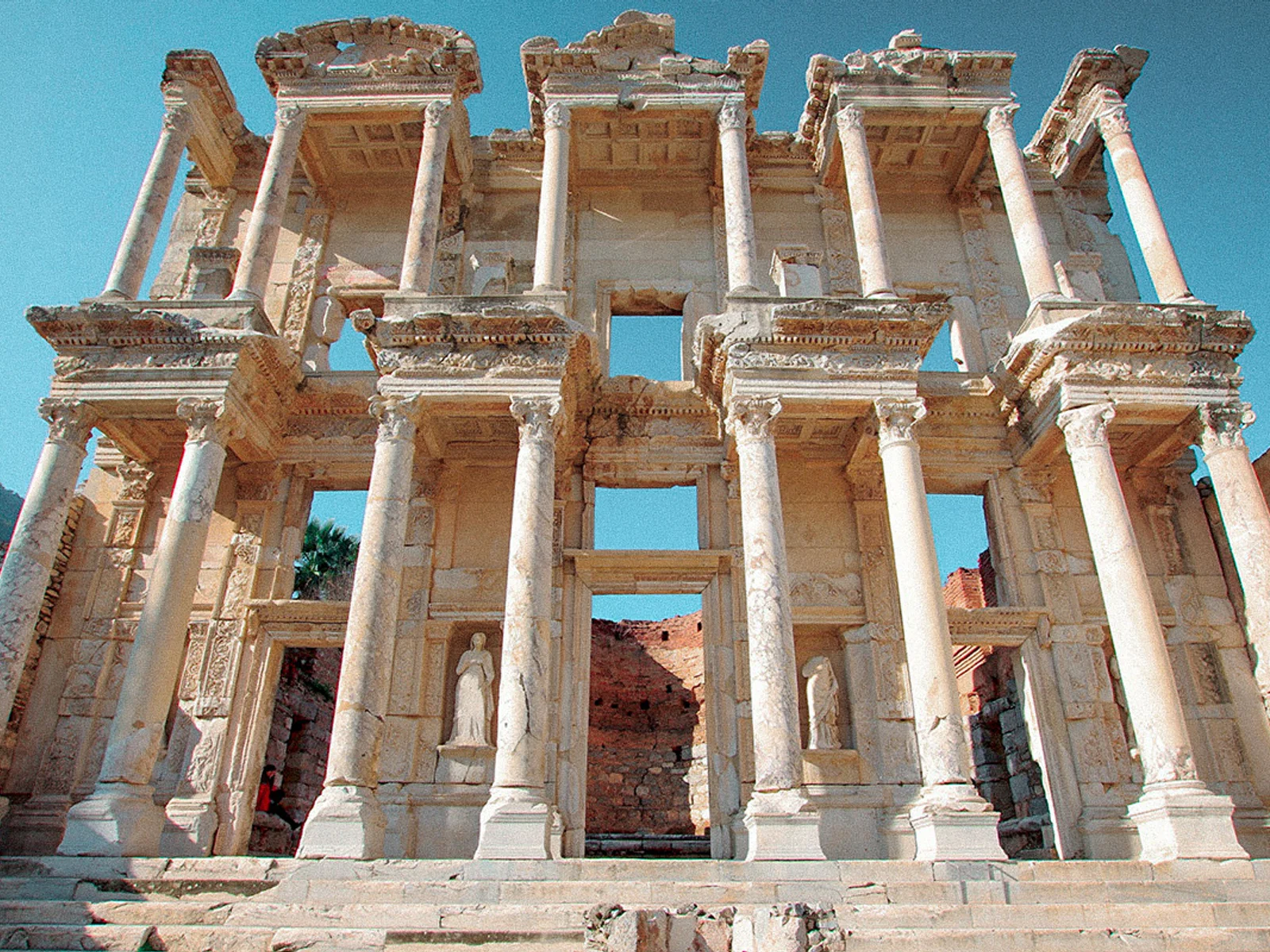
Ephesus is the major archaeological site near Kusadasi and part of the wider UNESCO-listed Ephesus property. Its long history includes Hellenistic, Roman, Byzantine and later settlement phases. The best-known monument is the restored facade of the Library of Celsus, but the site is large enough that a sensible route and good shoes matter more than trying to rush between photo stops.
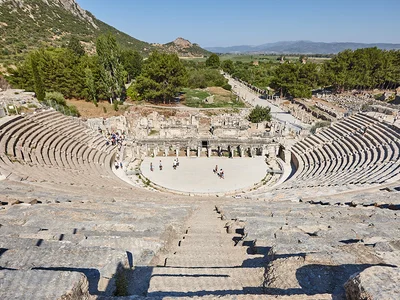
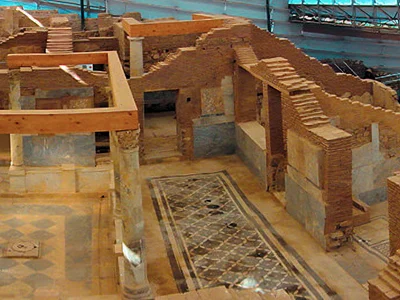
Walking through the Ephesus ruins, visitors pass marble streets, public buildings and fountains. The Great Theatre is one of the largest structures on the route. Nearby, the roofed Terrace Houses preserve mosaics and wall paintings from wealthy Roman homes and require a separate entrance.
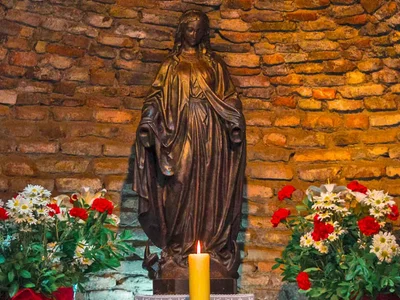
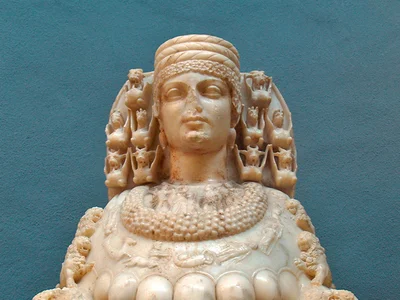
The narrative of Ephesus is fundamentally shaped by a profound and enduring tension: the relentless struggle between human ambition and the inexorable forces of nature. Just a few kilometers from the main site lies the House of the Virgin Mary, a cherished pilgrimage destination where tradition holds that Mary spent her final years. The city's spiritual heritage also centers on Artemis, the revered goddess whose cult transformed Ephesus into one of antiquity's greatest religious centers.
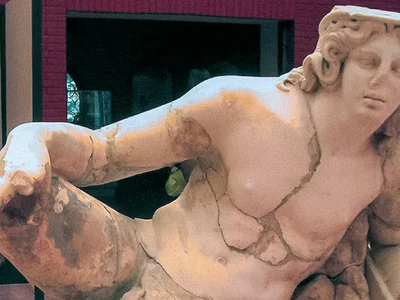
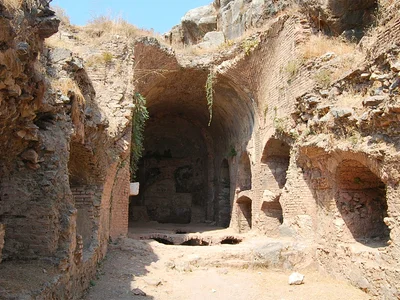
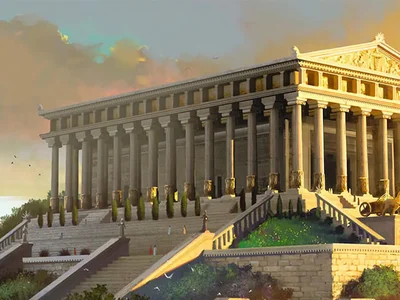
To fully appreciate the artifacts unearthed from centuries of excavation, a visit to the Ephesus Archaeological Museum in nearby Selcuk is essential. The museum houses exquisite sculptures, coins, and everyday objects that bring ancient Ephesian life vividly to life. For those drawn to legend and mystery, the Cave of the Seven Sleepers tells the remarkable story of young men who slept for centuries, a tale honored by both Christians and Muslims. And while only a single column remains of the Temple of Artemis (once one of the Seven Wonders of the Ancient World), the site still evokes the grandeur that drew pilgrims from across the Mediterranean.
Planning Your Visit
Ephesus is roughly 20 km from Kusadasi, making it a straightforward day trip. There is little shade on the main archaeological route, and polished marble can be slippery. Arrive early in hot weather, carry water and allow extra time if you plan to enter the Terrace Houses. For transportation options, see our Getting Around Kusadasi guide.
Opening hours, evening access and ticket arrangements change seasonally. Check the official Ephesus visitor page shortly before travelling.
After exploring the ancient ruins, head back to Kusadasi to enjoy the beautiful beaches, sample local cuisine at the best restaurants, or experience the vibrant nightlife.