Library of Celsus: Ancient Roman Library in Ephesus

Discover the magnificent Library of Celsus in Ephesus, an ancient Roman library and tomb. Explore its stunning facade, historical significance, and 12,000 scrolls collection.

Library of Celsus: Ancient Roman Library in Ephesus

The Library of Celsus: Ephesus's Ancient Marvel

History and Construction

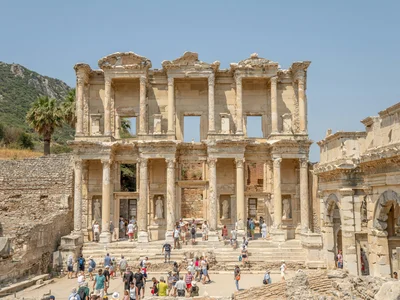
Constructed in the 2nd century AD, the Celsus Library stands as a tribute to Tiberius Julius Celsus Polemaeanus, a prominent Roman consul and governor of the Asian province. His son, Tiberius Julius Aquila, commissioned the library as a mausoleum to honor his father's legacy and intellect. The library's completion around 117 AD marked a significant milestone in Ephesus's architectural and scholarly history.
Ephesus Library

Architectural Marvel

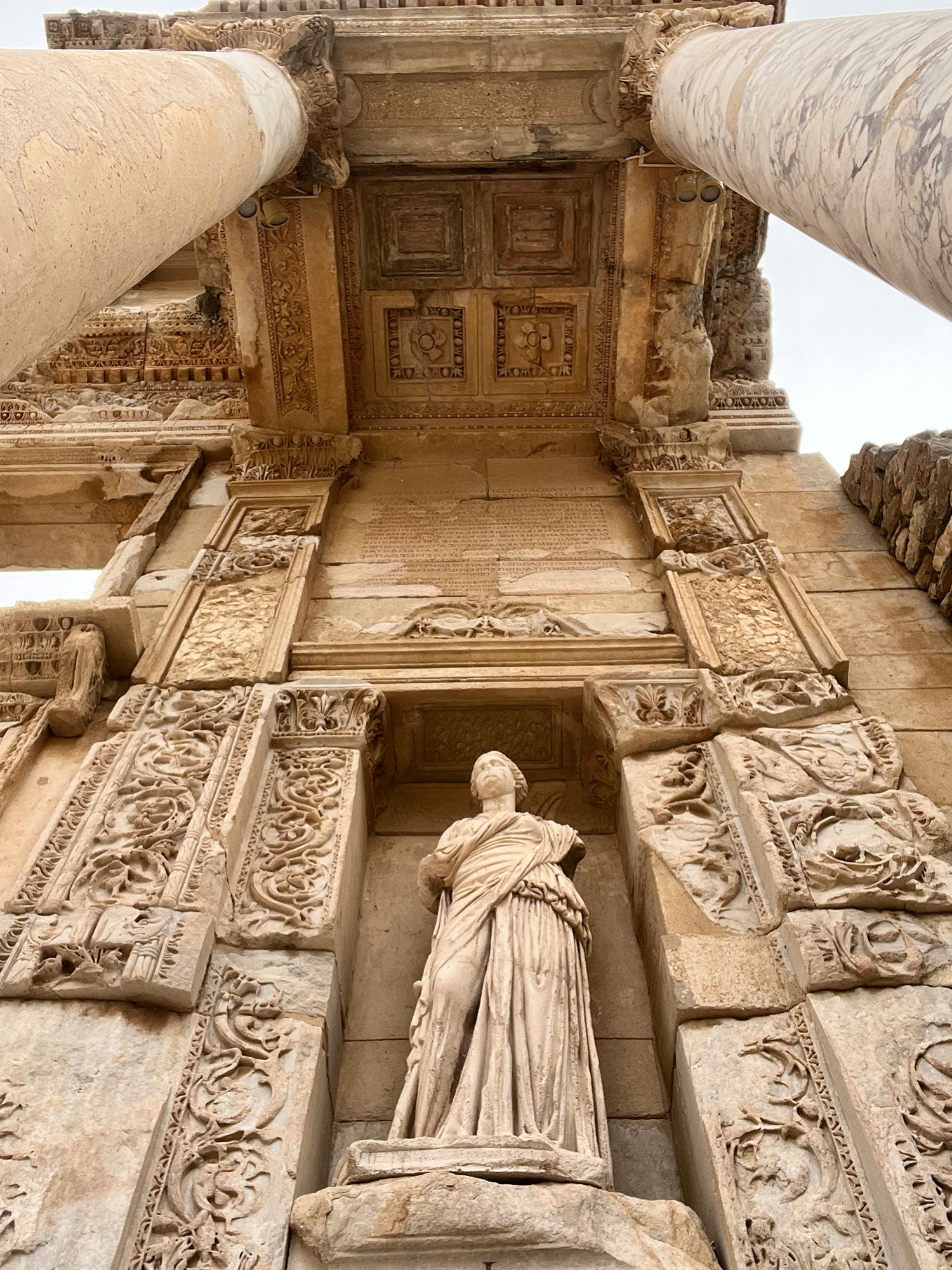
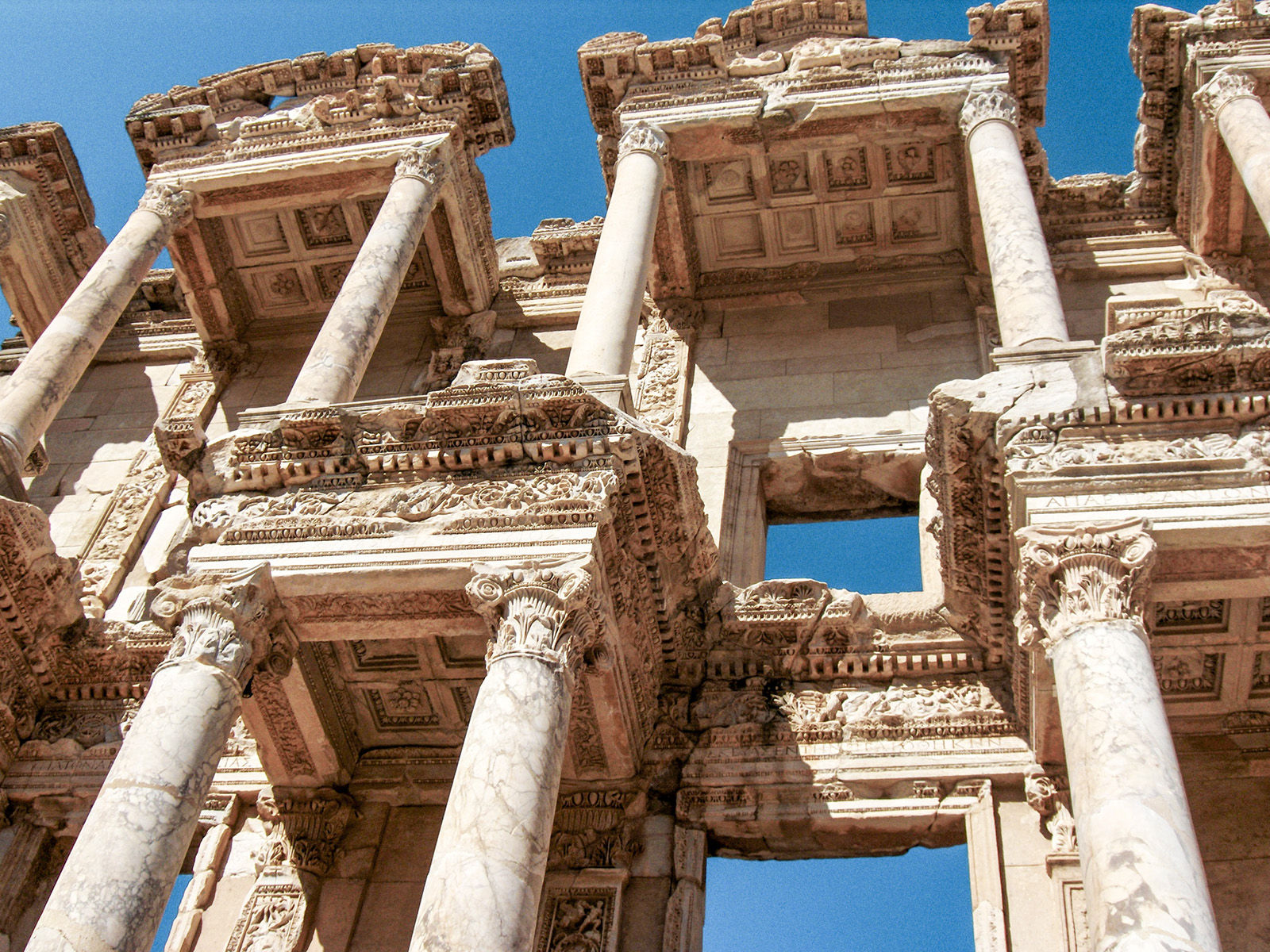
The library's facade, adorned with intricate carvings and statues, reflects the grandeur of Roman architecture. Four towering columns flank the entrance, each crowned with ornate Corinthian capitals. Statues of wisdom (Sophia), knowledge (Episteme), intelligence (Ennoia), and virtue (Arete) adorn the niches between the columns, symbolizing the values enshrined within the library's walls.

A Treasury of Ancient Knowledge

Beyond its impressive exterior lies a treasure trove of ancient knowledge. The Celsus Library housed thousands of scrolls and manuscripts, making it one of the largest repositories of knowledge in the ancient world. Scholars and philosophers from far and wide flocked to Ephesus to peruse its vast collection, seeking enlightenment and wisdom.

Interior Design and Layout

The interior of the library, although partially reconstructed, evokes a sense of reverence and awe. Marble shelves once held the precious scrolls, while niches in the walls provided space for statues of literary figures and deities. The central nave, illuminated by natural light streaming in through the windows, served as a gathering place for scholars and students alike.

Preservation and Restoration

Despite facing destruction over the centuries, the Celsus Library endures as a symbol of Ephesus's enduring legacy. Restorations and archaeological efforts have preserved its majestic facade and restored portions of its interior, allowing visitors to glimpse into the intellectual richness of antiquity.
Ephesus Library

Visiting Today

Today, the Library of Celsus is one of the best-known monuments within the UNESCO-listed Ephesus property. Visitors see the reconstructed facade from the main archaeological route; the building is not a separate World Heritage Site.

In a world constantly evolving, the Celsus Library remains a beacon of intellectual curiosity and enlightenment, inviting all who enter to embark on a journey of discovery and wonder.

Key Facts About the Library of Celsus

  • Built: 110-135 AD during the Roman Empire
  • Purpose: Library and mausoleum for Tiberius Julius Celsus
  • Collection: Often estimated at approximately 12,000 scrolls
  • Notable Features: Four symbolic statues representing Wisdom, Knowledge, Intelligence, and Virtue
  • Current Status: Part of the UNESCO-listed Ephesus property; facade restored in the 1970s
Our Ephesus Guide Pages

Explore our in-depth guides to plan your perfect Ephesus visit

Ephesus Library

It serves not only as a reminder of Ephesus's glorious past but also as a testament to the enduring power of knowledge and culture.

Ephesus Ruins

Ephesus, situated a mere 18 kilometers from Kusadasi, is celebrated as a prominent ancient metropolis globally.

Ephesus Theatre

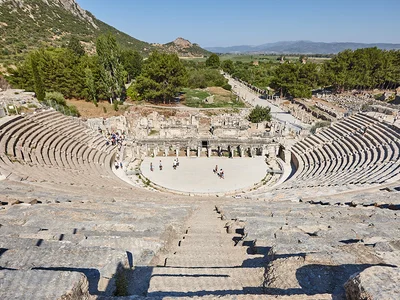
The grand theater of Ephesus stands as an impeccably preserved and truly remarkable architectural marvel.

Ephesus Terrace Houses

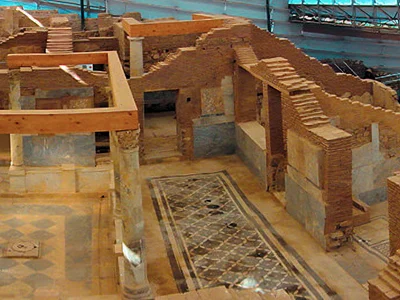
The Terrace Houses in Ephesus are opulent residential dwellings situated adjacent to Curetes Street.

The House of the Virgin Mary

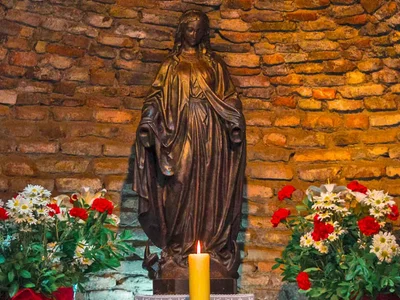
High on a tranquil, wooded hilltop overlooking the ancient ruins of Ephesus lies a small stone house of immense spiritual importance.

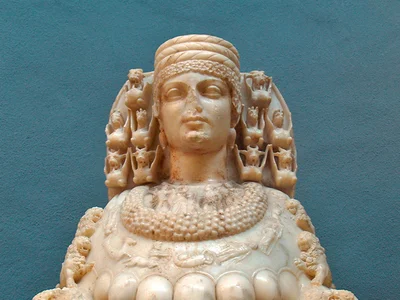
Goddess Artemis

At the heart of Ephesian culture stood the magnificent Temple of Artemis, one of the Seven Wonders of the Ancient World.

Ephesus Indoor Museum

The Museum of Ephesus, located in the Selcuk district, showcases artifacts unearthed during excavations in Ephesus since 1964.

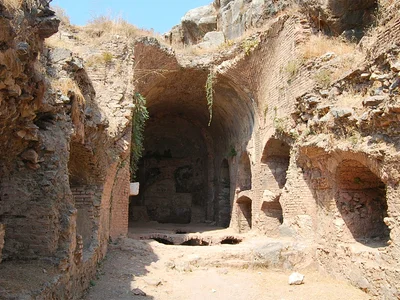
The Seven Sleepers of Ephesus

Deep within the annals of ancient Ephesian folklore lies a story shrouded in mystery and wonder - the legend of the Seven Sleepers.

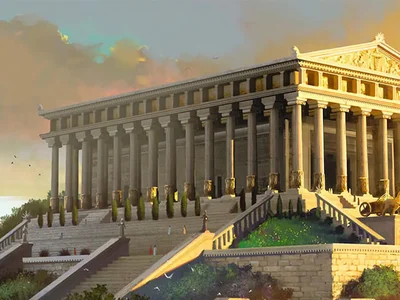
The Temple of Artemis

Nestled in the ancient city of Ephesus, in what is now modern-day Turkey, stands the remnants of one of the most remarkable structures.

Share This Article

Found this helpful? Share it with your network!

Frequently Asked Questions

What is the Library of Celsus in Ephesus?

The Library of Celsus is an ancient Roman library built in the second century AD in honor of the Roman senator Tiberius Julius Celsus. It served both as a library and a monumental tomb.

When was the Library of Celsus built?

Construction began around 110 AD and was completed by 135 AD during the Roman Empire.

Where is the Library of Celsus located within Ephesus?

The library is located along Curetes Street in the heart of the ancient city of Ephesus, near the Agora and not far from the Grand Theatre.

Can you go inside the Library of Celsus?

No, visitors are not allowed inside the structure. You can explore the exterior and admire its ornate facade and architecture.

Is the Library of Celsus part of the main Ephesus site?

Yes, the library is one of the most iconic structures within the Ephesus Archaeological Site and is included in the general entrance ticket.

How many scrolls did the Library of Celsus originally hold?

The library is believed to have stored approximately 12,000 scrolls, making it one of the largest libraries in the ancient world.

Who is buried in the Library of Celsus?

Tiberius Julius Celsus, the man for whom the library was built, is buried in a sarcophagus beneath the building’s main floor.

Why is the Library of Celsus important?

It is a rare example of a Roman building combining a library and a tomb. Its facade is considered one of the best-preserved examples of Roman public architecture in the world.

What happened to the Library of Celsus?

The interior was destroyed by fire in the third century, likely due to an earthquake or invasion. The facade survived and was later restored in the 1970s.

What statues are on the Library of Celsus facade?

The facade features four female statues symbolizing Wisdom, Knowledge, Intelligence, and Virtue. These are replicas, as the originals are kept in museums.

What is the best time to visit the Library of Celsus?

Early morning or late afternoon is ideal for photography and to avoid large crowds. The lighting also enhances the beauty of the facade at these times.

Is photography allowed at the Library of Celsus?

Yes, photography is allowed and encouraged around the library. It is one of the most photographed landmarks in Ephesus.

How long should I spend at the Library of Celsus?

Most visitors spend around 20 to 30 minutes at the library itself, but it is best enjoyed as part of a longer visit to the entire Ephesus site.

Is the Library of Celsus wheelchair accessible?

The terrain around the library is uneven and includes ancient stone paths, which can make accessibility challenging for wheelchairs or mobility aids.

What should I wear when visiting the Library of Celsus?

Wear comfortable walking shoes, sun protection such as hats and sunscreen, and bring water. The site is exposed and can get very hot during summer.