Kusadasi Information
Complete guide to everything you need to know about Kusadasi
Kusadasi, a vibrant beach resort and major cruise port on Turkey's Aegean coast, is an ideal holiday destination. Known for its Mediterranean climate (300 sunny days annually), it offers easy access to historical sites like Ephesus. Visitors can enjoy city beaches, the famous Ladies Beach, and a range of activities from boat trips to jeep safaris. It's also a shopper's paradise, with bustling bazaars and the extensive Grand Bazaar.
Planning your visit is easy with our comprehensive guides. Check visa requirements before you travel, explore costs and budget tips to plan your spending, and find the perfect hotel for your stay. For getting around, learn about the affordable dolmuş minibuses or consider renting a car for day trips to Pamukkale and Sirince.
Whether you're visiting in spring for wildflowers and mild weather, or in winter for dramatic savings and crowd-free Ephesus, Kusadasi has something for everyone. Solo travelers will find it safe and welcoming, while photographers will discover endless Instagram-worthy spots. After exploring ancient ruins, unwind at the Dilek National Park, enjoy fresh seafood at local restaurants, or experience the vibrant nightlife.
There are countless reasons to visit Kusadasi, and safety is rarely a concern in this welcoming town. Getting here is straightforward via Izmir Airport transfers, and choosing the best area to stay depends on your priorities. Families love the aquaparks, while history buffs can explore Kusadasi's rich past or browse our vintage photos from 1965. Can't decide between destinations? Our Kusadasi vs Bodrum comparison helps you choose.
Use our sample itineraries for 3, 5, or 7-day trips, explore the interactive map to discover attractions, and check our travel FAQ for quick answers to common questions.
Our Kusadasi Guide Pages
Explore our in-depth guides to plan your perfect Kusadasi visit
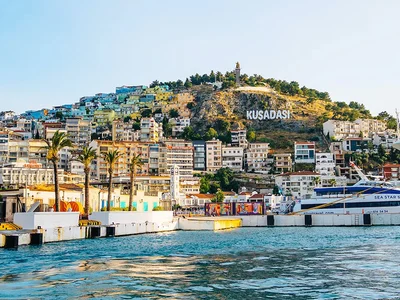
50 Best Things to do in Kuşadası in 2026
Discover the vibrant allure of Kuşadası, a bustling resort that caters to every taste. Explore the vibrant allure of Kuşadası.
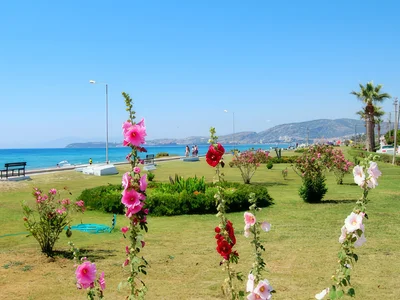
Kusadasi Beaches
Dive into the sparkling turquoise waters and sink your toes into the golden sands of Kusadasi's stunning beaches.
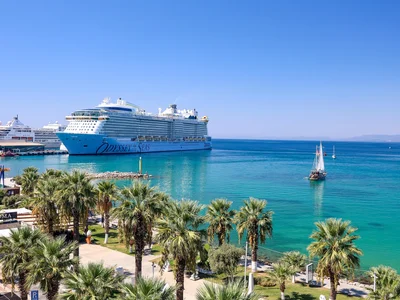
Kusadasi for Cruise Passengers
A quick guide to exploring Kusadasi during your cruise stop, including must-see sights, local shopping tips, and how to make the most of your short visit.

10 reasons to visit Kusadasi
Explore the top 10 reasons why Kusadasi should be your next travel destination.
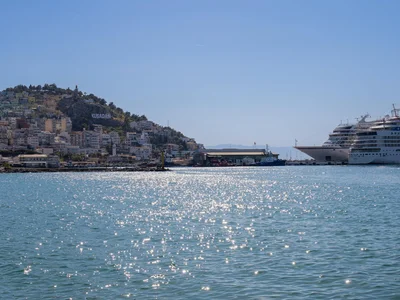
Is Kusadasi Safe? A 2026 Guide for Travelers
Explore the top 10 reasons why Kusadasi should be your next travel destination.
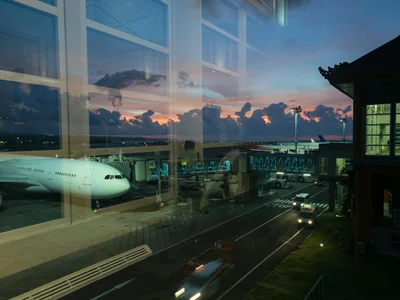
Izmir Airport (ADB) to Kusadasi
A Complete Transfer Guide: Izmir Airport to Kusadasi transfer guide with all options including shuttle bus taxi and car rental for a smooth start to your trip.
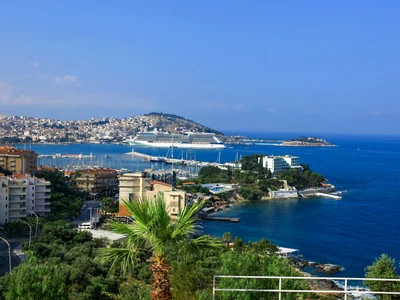
Where to Stay in Kusadasi: Best Hotels & Areas
Choosing the right place to stay can make all the difference for your Kusadasi getaway.
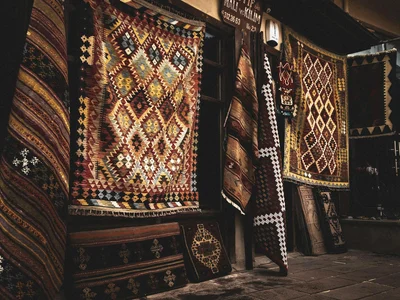
Shopping in Kusadasi: From Bazaars to Boutiques
Shopping in Kusadasi is an adventure in itself. Dive into the bustling chaos of the Grand Bazaar

Kusadasi Water Parks: Adaland vs. Aqua Fantasy (2026)
Kusadasi is home to two of Europe's best water parks, offering an unforgettable day.
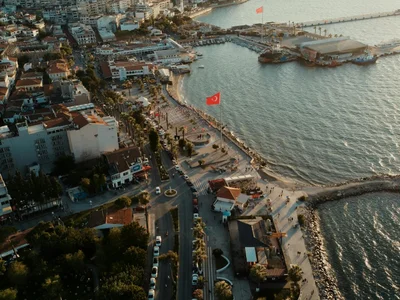
Getting Around Kusadasi
Navigating Kusadasi and its surroundings is surprisingly easy and affordable.
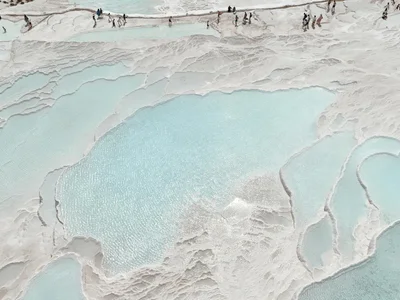
7 Unforgettable Day Trips from Kusadasi
Kusadasi offers easy access to some of Turkey's most famous historical sites and natural treasures.
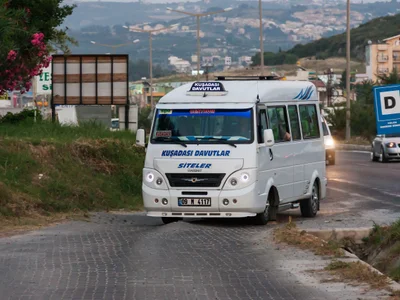
Kusadasi Dolmuş Guide: Routes, Fares, and How to Use Them
Everything you need to know about using dolmuş minibuses in Kusadasi, including popular routes, fares, and local tips for getting around easily.
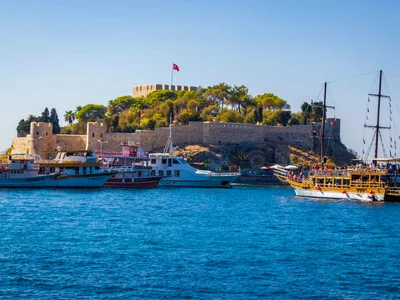
The Perfect Kusadasi Itinerary
Your Kusadasi Itinerary: 3, 5, and 7 Days (2026)
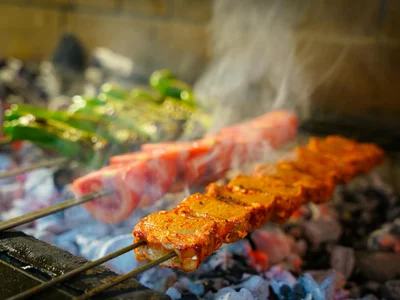
Kusadasi Restaurants & Food: A Taster's Guide
Turkish food is one of the country’s greatest pleasures, and Kusadasi serves it up with the rich, fresh flair of the Aegean.

Kusadasi Nightlife
As the sun dips below the Aegean horizon, Kusadasi truly comes alive! Are you ready to immerse yourself in the vibrant nightlife?
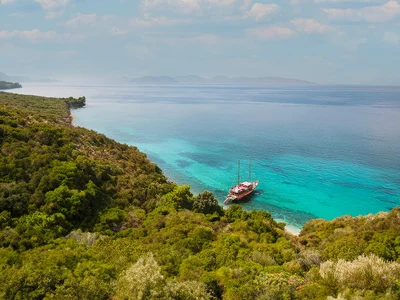
National Park
Escape the bustle and immerse yourself in the pristine beauty of Kusadasi's Dilek Peninsula-Büyük Menderes Delta National Park.
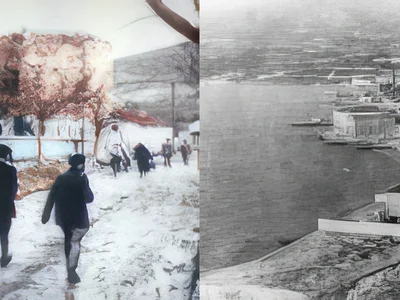
History of Kusadasi
The early settlements in Kusadasi were established by the Lelegians and Carians The early settlements in Kusadasi.
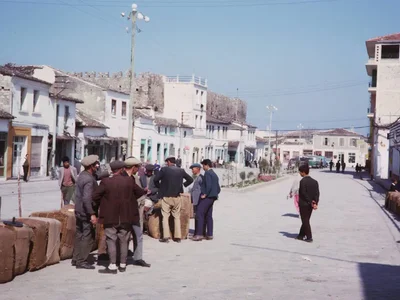
Kusadasi Photos from 1965
The vintage photos from 1965, courtesy of Charles W. Cushman, offer a captivating glimpse into the past of Kusadasi.

Kusadasi FAQ
Everything you need to know about visiting Kusadasi, Turkeys.
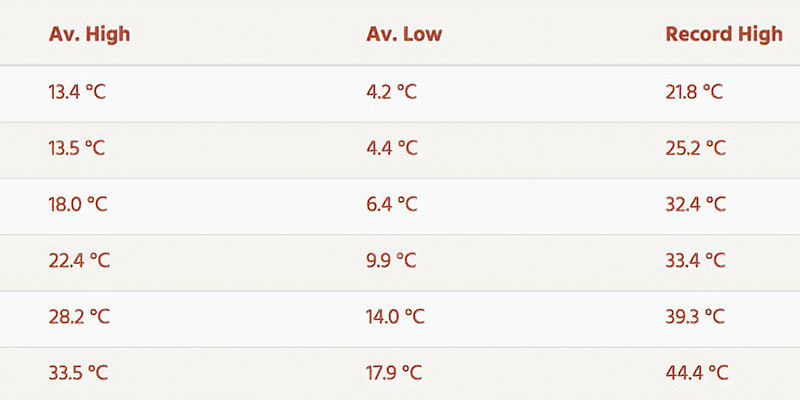
🌤️ Weather
Best times to visit and weather information
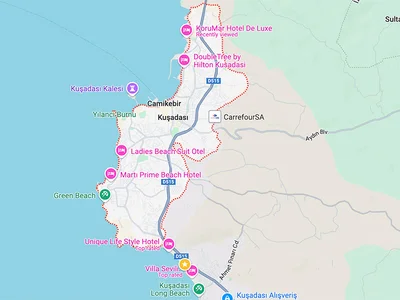
Interactive Kusadasi Map
Discover all the amazing places Kusadasi has to offer with our interactive map. Explore the best beaches, restaurants, attractions, and more.

Turkey Visa Requirements for Kusadasi: 2026 Guide
E-Visa application, visa-free countries, passport requirements, and entry rules for visiting Kusadasi, Turkey.

Kusadasi Prices & Costs: 2026 Budget Guide
Complete price guide for food, drinks, tours, taxis, hotels, and activities. Plan your Kusadasi budget with real local prices.

Best Hotels in Kusadasi: 2026 Accommodation Guide
Find the perfect hotel in Kusadasi. Best areas to stay, hotels by budget, all-inclusive resorts, and boutique hotels.

Kusadasi vs Bodrum: Which Resort is Right for You?
Compare beaches, nightlife, history, costs, and atmosphere to decide which Turkish Aegean resort is perfect for your holiday.

Car Rental in Kusadasi: Complete 2026 Guide
Prices, requirements, driving tips, best rental companies, and whether you actually need a car in Kusadasi.

Visiting Kusadasi in Spring: March, April & May
Why spring is the perfect time to visit Kusadasi. Weather, crowds, prices, wildflowers, and seasonal activities.

Visiting Kusadasi in Winter: November to February
Is Kusadasi worth visiting in winter? Weather, prices, what's open, and unique experiences for off-season travel.

Best Photography Spots in Kusadasi: 2026 Guide
Instagram-worthy locations, best photo spots at Ephesus, sunset locations, drone tips, and hidden gems for photographers.

Solo Travel in Kusadasi: Guide for Independent Travelers
Safety tips, meeting people, solo female travel advice, costs, and how to make the most of traveling alone in Turkey.